English Articles for Kids: A, an, and The
English has three articles: a, an, and the. A, An, The: English Articles for Kids teaches children to choose by the next word’s sound and whether the person, place, animal, or thing is general or specific. Use a before a consonant sound, an before a vowel sound, and the when the listener knows which person, place, animal, or thing you mean. Articles distinguish a book from one particular book. Concrete examples, speaking practice, and games reinforce the rules.
📥 A, An, The Article Practice Pack
Kid-friendly printable practice for choosing the right English article before nouns.
Leave your email — we'll send the PDF to your inbox.No spam — the PDF plus one short reminder. Unsubscribe anytime.
Why These Small Words Matter
“Please bring me a pencil” means the choice does not matter. “Please bring me the pencil” identifies one that both people know. Omitting the article can make a sentence incomplete or change its meaning.
A, An, The: English Articles for Kids develops accurate communication instead of memorized definitions. Choosing an article while describing a picture builds noun phrases and tracks shared information. These skills support stories, instructions, and longer sentences.
The Core Rules for Choosing an Article
Use a or an with one countable noun that is not yet specific: “a toy,” “an insect,” or “an idea.” Choose by pronunciation, not the first written letter. We say “an hour” but “a uniform.”
Use the when the reference is known, identified, or unique in the situation. A child might say, “I saw a cat. The cat was under the bench.” The first sentence introduces the animal; the second identifies it.
The last row stops children from adding articles everywhere. Compare “I like music,” meaning music in general, with “I like the music in this film,” which identifies particular music.
How to Teach the Rules Step by Step
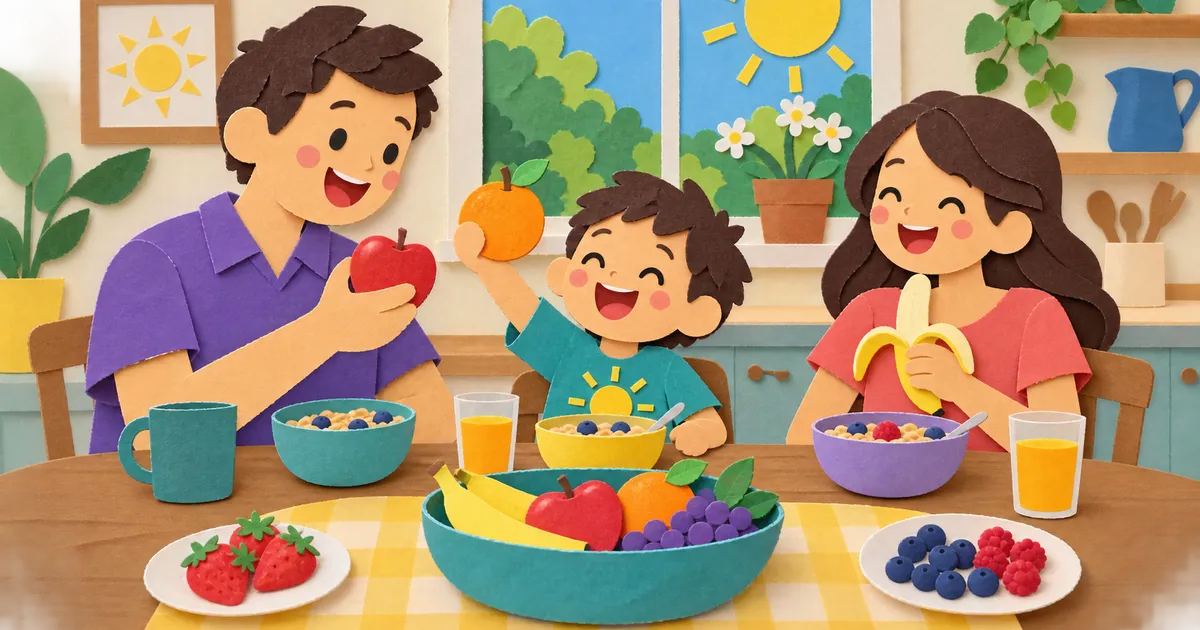
Begin with real objects or labeled pictures. Place toys on a table and ask your child to choose “a car” or “an animal.” Say each phrase aloud, stressing the article slightly. Focus on fluent pronunciation instead of spelling.
Next, introduce shared knowledge. Show a new picture and say, “There is a bird in a tree.” Point again: “The bird has a blue tail.” Ask why the article changed. An effective answer is, “Now we know which bird.”
Use A, An, The: English Articles for Kids as a lesson path: pronunciation first, meaning second, and mixed practice last. Younger learners can sort picture cards into a and an groups. Older learners can explain a speaker’s choice of the. Across LearnLink lessons, our experienced tutors adapt explanations to each child’s age and language level.
Common Mistakes and How to Correct Them
Children often follow letters instead of pronunciation. They may choose an before “uniform” because it begins with u. Say “a yoo-niform” slowly. Contrast it with “an hour,” where the h is silent. Short spoken contrasts teach the pattern better than long exception lists.
Another frequent mistake is using the before every person, place, animal, or thing, or omitting articles. Do not interrupt after each error. Repeat the sentence correctly, then invite another try: “Yes, you saw a rabbit. Where was the rabbit?” The exchange stays meaningful while reinforcing the pattern.
Practice Activities for Home or Class
A, An, The: English Articles for Kids works best when each choice has a purpose. Try an object hunt: one person asks for “a spoon,” “an orange,” or “the red cup on the table.” The child finds the item and repeats the full phrase.
Picture storytelling adds context. Introduce something with a or an: “A pirate found an old map.” For later mentions, use the: “The map showed an island.” Keep a multilingual child’s task in English instead of requesting a word-for-word translation. The English form then connects directly to its meaning.
Five Quick Article Choices
Choose a, an, or the: 1. We saw ___ elephant. 2. Please close ___ window beside you. 3. She has ___ new backpack. 4. He waited for ___ hour. 5. I found ___ shell, and ___ shell was pink.
Answers: 1. an; 2. the; 3. a; 4. an; 5. a, then the.
Ask your child to justify one or two answers. Accept a short reason such as “elephant begins with a vowel” or “we know which window.” Explaining a choice shows more understanding than guessing through a worksheet.
How Articles Connect to Broader Grammar Concepts
Articles sit inside noun phrases. “A dog” can grow into “a small dog,” “a small brown dog,” or “the small brown dog near the gate.” Article practice links adjectives, prepositional phrases, and sentence building.
Articles also introduce countable and uncountable nouns. We can say “a biscuit” because biscuits can be counted, but not “a rice.” Use “some rice” for an unspecified amount and “the rice on my plate” for a specific amount. Teach these direct contrasts before technical terms.
Combine the three articles through short descriptions, shared books, and everyday requests. Practise meaningful speech before isolated exercises. Regular five-minute practice is easier to sustain than an occasional long grammar session.
- Practice "A, An, The: English Articles for Kids" daily for 5-10 minutes with your child.
- Use real-life examples to reinforce learning — count toys, snacks, steps.
- Review progress weekly together with your child.
- Build vocabulary through repeated exposure in different contexts.
For the rule wording, Wikipedia — English Grammar is a useful reference while the practice examples here stay adapted for children.
Frequently Asked Questions
What Is the Easiest Way to Explain a, an, and the to a Child?
Start with two decisions. Is it one non-specific person or thing? Choose a or an by pronunciation. Does the listener know exactly which person or thing you mean? Use the. Real objects demonstrate the contrast: ask for “a book,” then point to “the book on the chair.”
Why Do We Say “An Hour” but “A Uniform”?
The choice follows pronunciation, not spelling. “Hour” begins with a vowel sound because its h is silent, so English uses “an hour.” “Uniform” begins like “you,” so English uses “a uniform.” Ask your child to say each phrase aloud and hear which option flows smoothly.
When Should a Child Use No Article?
No article often appears when plural or uncountable nouns describe something in general. We say “Dogs need water” when dogs and water mean general groups. Use the for specific meaning: “The dogs next door need the water in this bowl.” Teach this contrast after your child understands the three main articles.
How Often Should Children Practise English Articles?
Review A, An, The: English Articles for Kids in short sessions throughout the week. Practise for one or two minutes during reading, meals, drawing, or a picture game. Ask for complete phrases instead of single words: “an apple,” not just “apple.” Stop while your child remains attentive, then revisit a difficult pattern next session.
Finish with three practical steps:
- Start with a and an, using familiar objects to practise pronunciation.
- Practice first and later mentions: “a rabbit,” then “the rabbit.”
- Use complete article phrases during five-minute games, stories, and everyday requests.
Start your child's English journey today — book a trial lesson with LearnLink.
Stay updated on our latest tips and resources by following us on Instagram LearnLink.